Laser cleaning is revolutionizing the way indoor spaces are restored and maintained—offering commercial businesses a chemical-free, damage-free alternative to traditional cleaning methods. From building lobbies and high-traffic kitchens to historic stairwells and equipment rooms, laser cleaning provides an unmatched level of control, cleanliness, and precision.
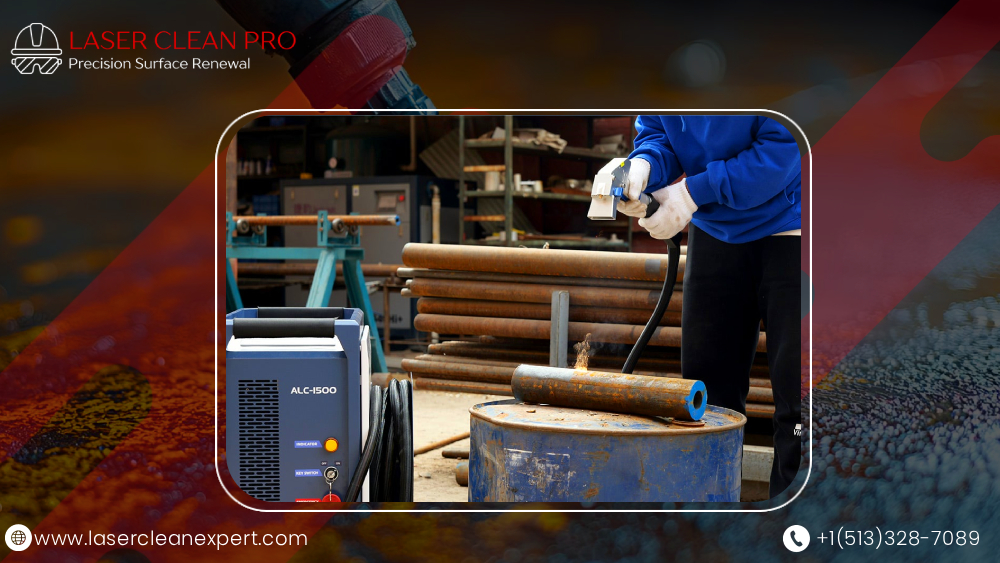
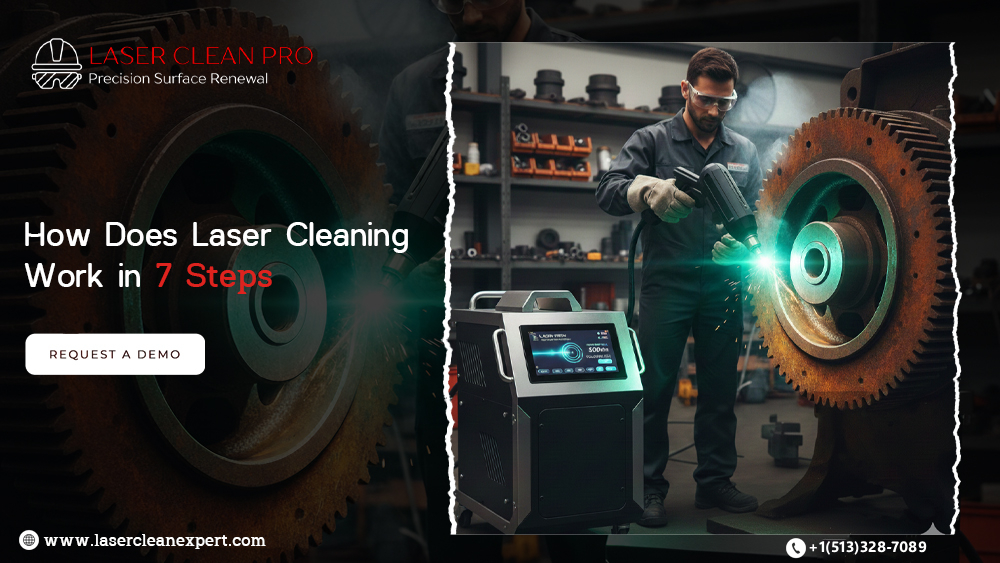
Laser cleaning works by directing a highly focused beam of light at a surface. Contaminants like rust, paint, mold, or grease absorb this energy and are either vaporized, decomposed, or ejected from the surface.
Meanwhile, the substrate—often stone, brick, wood, or metal—remains untouched because it reflects the laser’s wavelength or dissipates the heat.
Think of it like using a heat lamp on black ink drawn on a mirror. The black ink absorbs the heat and disappears, but the mirror reflects the light and stays cool. That’s the kind of selective cleaning laser technology delivers.
There are two main types of laser cleaning used indoors:
Yes—and in fact, many of its advantages are most evident indoors where precision, cleanliness, and environmental safety are paramount. Proper ventilation and operator training are essential, but there’s no reason laser cleaning can't be done safely inside commercial or public facilities.
Common considerations for indoor use include:
Whether you manage a Class A office building or oversee maintenance for a high-end retail center, here’s where indoor laser cleaning excels:
If you're working in a space where you might otherwise use pressure washing or abrasive pads—but need a cleaner, quieter, safer option—laser cleaning is a clear upgrade.
Laser cleaning is more than an outdoor tool—it’s one of the safest, cleanest, and most versatile technologies available for indoor surface care. Whether you manage a multi-story commercial building, oversee municipal facilities, or restore historic interiors, laser cleaning offers a smart, future-ready solution that checks every box: safe, sustainable, and effective.